

The Joy and the Ache of Pandal Hopping
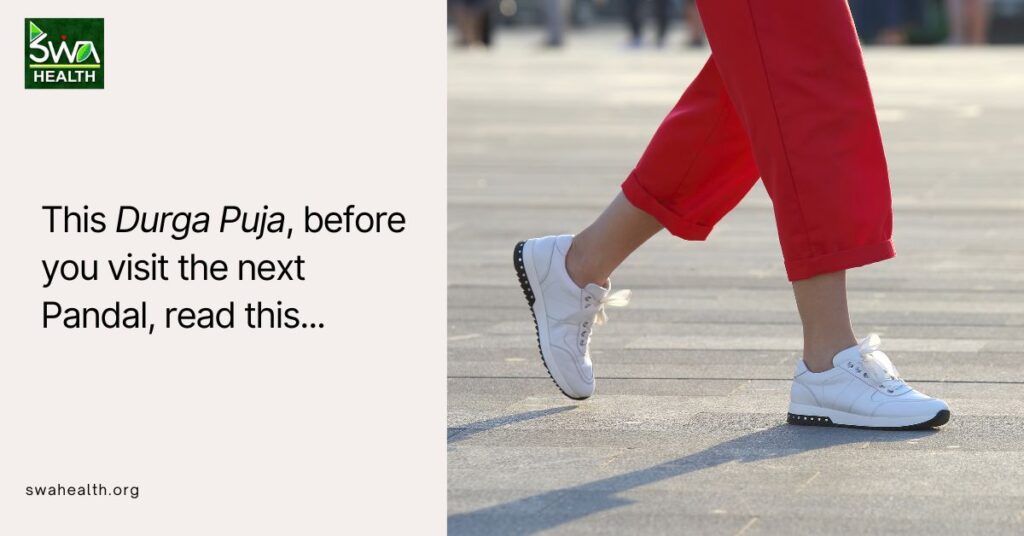
Durga Puja pandal hopping is one of the most exciting parts of the festival. Walking through decorated streets, standing in long queues, and covering pandal after pandal sounds like pure fun. But by the end of the night, many people end up with sore knees, aching backs, and tired joints. A little care before you step out can help you enjoy the festival without the pain the next morning.
Why Your Body Feels the Strain
Hours of Standing and Walking
Pandal hopping often means hours of standing in queues followed by long walks on hard roads. This puts continuous pressure on your knees and lower back, especially if you are not used to walking this much regularly.
 Uneven Footwear Choices
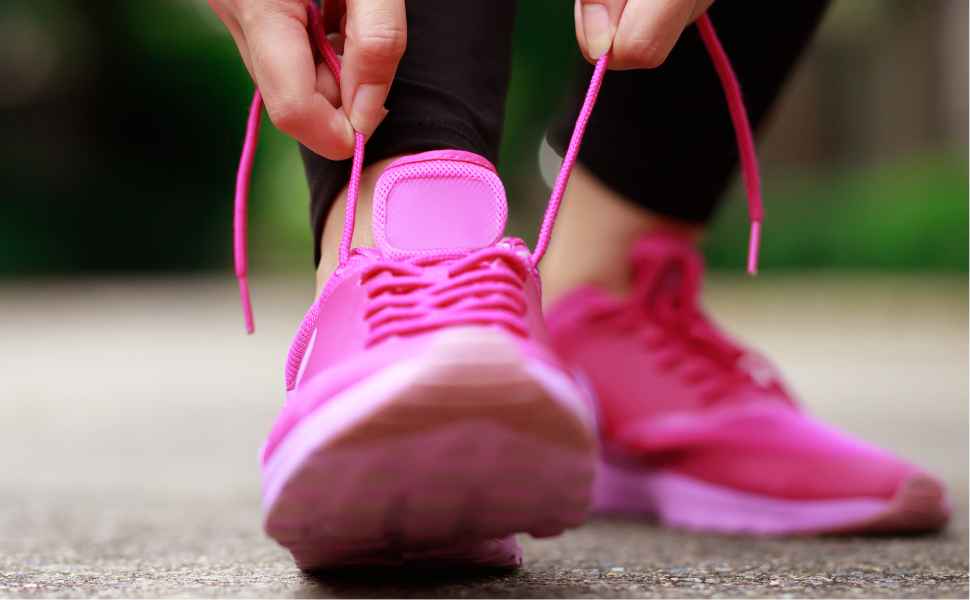
Many people wear new shoes or heels to look their best, but these often do not support the feet properly. This can lead to ankle strain, which then affects the knees and back too.
Ignoring Warning Signs
A little stiffness at the start of the evening can turn into real pain by the end, simply because people push through discomfort instead of resting.
Tips to Protect Your Knees and Back
Before You Head Out
- Do a few minutes of gentle stretching for your legs and back
- Choose comfortable, well-cushioned footwear over style
- Avoid completely flat or completely high footwear for long walks
During the Pandal Hopping
- Take short breaks to sit and rest between pandals
- Shift your weight and change position while standing in queues
- Avoid carrying heavy bags on one shoulder for long hours
- Keep your posture upright instead of slouching while walking
 After You Get Home
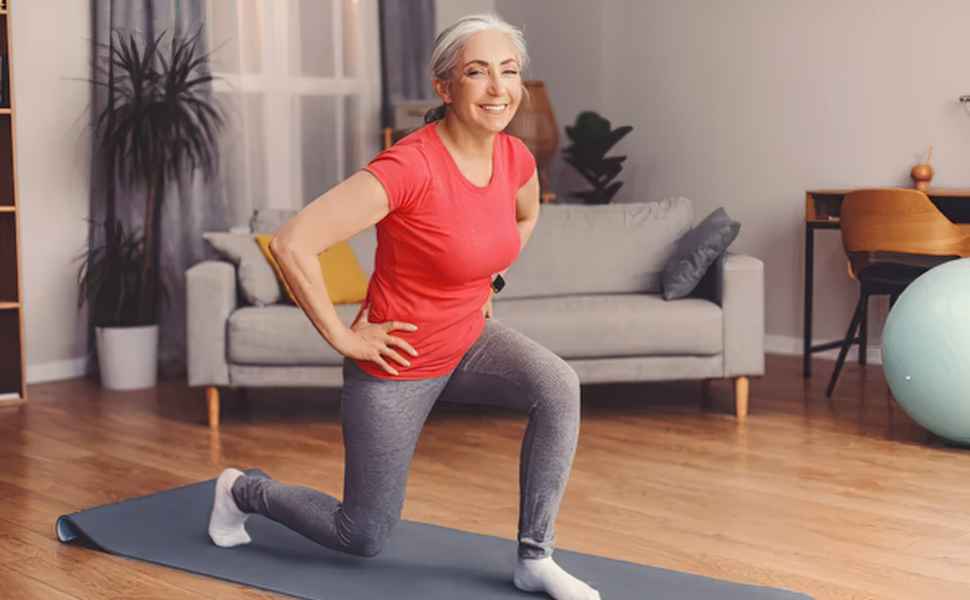
- Stretch your knees and lower back gently before sleeping
- Use a warm compress if you feel stiffness or soreness
- Elevate your legs for a few minutes to ease swelling
Watch Out for These Signs
If you notice sharp pain, swelling that does not go down, or stiffness that continues for more than a day or two, it is best not to ignore it. These can be signs that your joints need proper attention rather than just rest at home.
Final Thoughts
Pandal hopping should be about joy, not joint pain. With a few simple precautions, you can enjoy every bit of the festive walking without paying for it with days of discomfort. If pain from long hours of standing or walking does not ease on its own, the team at SwaHealth Physiotherapy Rehab Clinic is here to help you get back on your feet, pain free.
The Joy and the Ache of Pandal Hopping
Durga Puja pandal hopping is one of the most exciting parts of the festival. Walking through decorated streets, standing in long queues, and covering pandal after pandal sounds like pure fun. But by the end of the night, many people end up with sore knees, aching backs, and tired joints. A little care before you step out can help you enjoy the festival without the pain the next morning.
Why Your Body Feels the Strain
Hours of Standing and Walking
Pandal hopping often means hours of standing in queues followed by long walks on hard roads. This puts continuous pressure on your knees and lower back, especially if you are not used to walking this much regularly.
Uneven Footwear Choices
Many people wear new shoes or heels to look their best, but these often do not support the feet properly. This can lead to ankle strain, which then affects the knees and back too.
Ignoring Warning Signs
A little stiffness at the start of the evening can turn into real pain by the end, simply because people push through discomfort instead of resting.
Tips to Protect Your Knees and Back
Before You Head Out
- Do a few minutes of gentle stretching for your legs and back
- Choose comfortable, well-cushioned footwear over style
- Avoid completely flat or completely high footwear for long walks
During the Pandal Hopping
- Take short breaks to sit and rest between pandals
- Shift your weight and change position while standing in queues
- Avoid carrying heavy bags on one shoulder for long hours
- Keep your posture upright instead of slouching while walking
After You Get Home
- Stretch your knees and lower back gently before sleeping
- Use a warm compress if you feel stiffness or soreness
- Elevate your legs for a few minutes to ease swelling
Watch Out for These Signs
If you notice sharp pain, swelling that does not go down, or stiffness that continues for more than a day or two, it is best not to ignore it. These can be signs that your joints need proper attention rather than just rest at home.
Final Thoughts
Pandal hopping should be about joy, not joint pain. With a few simple precautions, you can enjoy every bit of the festive walking without paying for it with days of discomfort. If pain from long hours of standing or walking does not ease on its own, the team at SwaHealth Physiotherapy Rehab Clinic is here to help you get back on your feet, pain free.